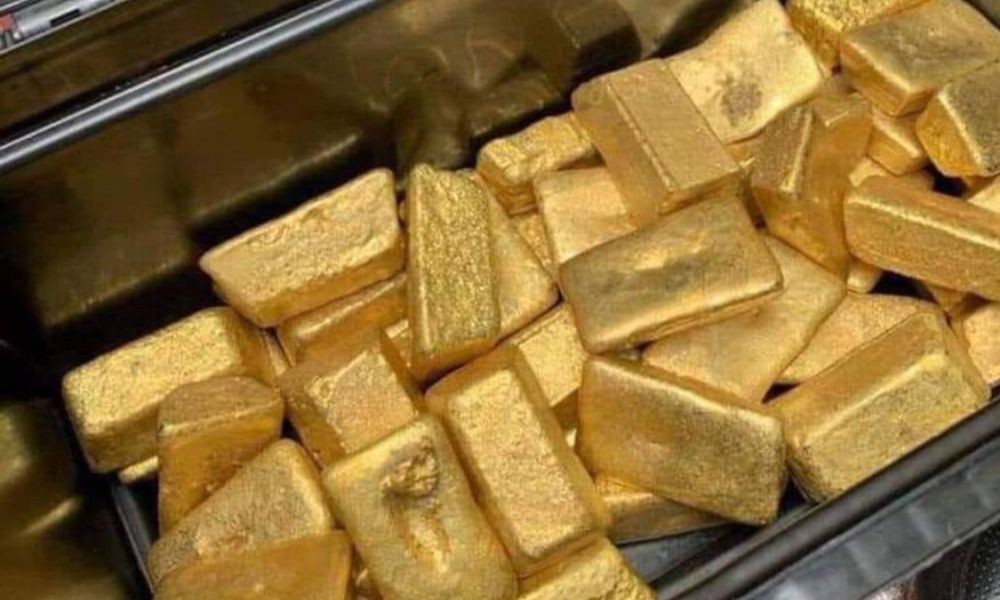
Top 7 Gold Mining Countries in Africa to Watch
Africa supplies a crucial share of the world’s gold, fueling markets on every continent. Its gold mines provide not just high production volumes and rare natural gold specimens, but also opportunities for secure and documented investment in physical gold – nuggets, bars, bullion, and dust. As the industry adapts to market shifts, changing regulations, and vast untapped reserves, both buyers and investors track which African countries are poised to lead in the coming years.
This guide details which nations stand out based on gold production, growth potential, regulatory stability, and access to high quality gold – including rare gold nuggets and authenticated bars backed by thorough documentation. These insights are designed to help individual investors, collectors, and those looking to buy gold from local gold miners make informed decisions in a competitive market.
This article is for informational purposes only and not financial, investment, or legal advice. Consult qualified professionals and verify data with official sources before acting. Gold markets involve risks including instability, regulatory changes, and price fluctuations.
Africa’s Gold Mining Landscape and Market Context
Africa’s gold mining sector features some of the most productive mines and reserves globally. The continent’s gold scene is diverse: West Africa leads with established infrastructure and high output, while East Africa is drawing attention through exploration activities and emerging investment opportunities.
Key Trends and Regional Overview
- West Africa (notably Ghana, Mali, Burkina Faso, Sierra Leone) produces the largest share of Africa’s gold, benefiting from extensive supply chains, presence of multinational mining firms, and supportive government initiatives to formalize small-scale mining.
- East Africa (including Tanzania, Uganda, Kenya, Ethiopia) is witnessing growth through new discoveries and investments. Countries like Tanzania excel as regional leaders, with Uganda and Kenya offering direct entry points to buyers seeking pure gold sourced from local gold miners.
- South Africa, once the continent’s leading producer, now faces production declines owing to mature mines. However, it still holds vast deep-level reserves and continues to produce high quality gold through ongoing operations.
2025 Production Data and Global Ranking
Africa’s global gold output stands at roughly 20% of the world’s total. Key producers and their most recent output data:
- Ghana: 6 million ounces (~187 tons) for 2025, aiming for 6.5 million ounces by 2026.
- South Africa: 118 tons, maintaining a top-ten spot, though output continues to decline.
- Tanzania: 46 tons, currently the top exporter in East Africa.
- Mali, Burkina Faso, Sudan, Ethiopia, and DRC Congo: Each contributes 30 to 70 tons, with significant prospects for growth owing to ongoing exploration and new investments.
The Expanding Role of Artisanal and Small-Scale Mining
- In Ghana, small-scale and artisanal miners now contribute up to half of the country’s gold. This trend opens possibilities for buyers interested in natural gold and crystallized gold nuggets directly from miners.
- Regulatory campaigns are advancing across the continent, aimed at improving quality, environmental standards, and traceability in artisanal gold output. This formalization is key in assuring the authenticity and legitimacy of gold acquisitions for investors.
Production Trends Comparison Table: West vs. East Africa
| Region |
Major Producers |
2025 Output Estimate |
Notable Mines/Regions |
| West Africa |
Ghana, Mali, Burkina Faso, Sierra Leone |
250–300+ tons |
Obuasi, Tarkwa, Loulo-Gounkoto, Houndé |
| East Africa |
Tanzania, Uganda, Kenya, Ethiopia |
60–75 tons |
Geita, Bulyanhulu, Namoya, Karamoja |
Top 7 Gold Mining Countries in Africa to Watch in 2026
Africa’s top gold-producing countries combine steady production, regulatory evolution, and new investment access. Discover where the biggest opportunities – and key risks – lie, and how each nation’s mines shape the global market.
1. Ghana
- 2025 output: 6 million ounces (187 tons), targeting 6.5 million ounces in 2026
- Major mines: Obuasi (AngloGold Ashanti), Tarkwa (Gold Fields), Ahafo (Newmont)
- Strengths:
- Emerged as Africa’s leading gold producer, surpassing South Africa.
- Artisanal and small-scale mining accounts for more than 50% of production.
- Substantial infrastructure supports the export of gold bars and investment grade gold.
- Hosts reputable gold dealers with documented supply chains.
- Growth drivers:
- Strong gold prices and expanding domestic refining capacity.
- Initiatives for local gold purchasing to support the national economy.
- Risks:
- Proposed dynamic royalty scheme (5–12% linked to gold price) may impact producer margins.
- Enforcement of local refining requirements for artisanal gold.
2. South Africa
- 2025 output: Approximately 118 tons
- Major mines: Mponeng, TauTona (Witwatersrand Basin)
- Strengths:
- Holds some of the deepest, richest gold reserves.
- Generates strong foreign reserves and currency strength from gold exports.
- Supplies high quality gold nuggets, bullion, and bars, with widespread recognition in the gold market.
- Growth factors:
- Technological advancements improving deep-mining methods.
- Continued exploration of brownfield sites.
- Risks:
- Aging mine infrastructure leading to higher costs and decreasing productivity.
- Periodic power supply constraints.
3. Tanzania
- 2025 production: 46 tons (approximate)
- Major mines: Geita (AngloGold Ashanti), Bulyanhulu, North Mara (Barrick Gold)
- Highlights:
- Recognized as East Africa’s top gold exporter.
- Government incentives to formalize small-scale gold mining operations.
- Direct export channels for certified gold bullion and dust.
- Gold forms a significant part of the country’s GDP and foreign exchange.
- Opportunities:
- New discoveries in underexplored regions and investment in refining facilities.
- Risks:
- Evolving mining policy and occasional licensing delays.
- Need for continued infrastructure enhancement.
4. Mali
- Annual output: Usually between 60–70 tons
- Major mines: Loulo-Gounkoto (Barrick Gold), Morila, Sadiola
- Strengths:
- Recent production growth positions Mali as a key player in West Africa.
- Improved transport and energy infrastructure amplifies investment appeal.
- Foreign investors attracted by expanding mining zones.
- Advantages for buyers:
- Consistent supply lines for physical bullion and gold nuggets.
- Risks:
- Potential for regulatory shifts with changing government priorities.
- Security situation in some areas may affect mining operations.
5. Burkina Faso
- 2025 output: Estimated 50–60 tons
- Major mines: Houndé (Endeavour), Mana, Essakane
- Growth indicators:
- Notable production increases since 2016 due to new mines and operator diversification.
- Upgrades to processing and logistics networks.
- Accessibility:
- Expanding opportunities to engage with local gold miners for direct purchases.
- Potential risks:
- Ongoing security concerns impacting select regions.
6. Sudan & Ethiopia
- Combined output: 30–60 tons, with major growth from new exploration
- Key mining assets: Hassai (Sudan), Lega Dembi and Tulu Kapi (Ethiopia)
- Strengths:
- Emerging powerhouses with large-scale untapped reserves.
- Developing regulatory systems catering to both large operators and local miners.
- Partnerships offering buyers access to natural gold and crystallized specimens.
- Risks:
- Need to monitor changes in mining laws and enforcement capacity.
- Infrastructure and supply chain investments are ongoing.
7. Democratic Republic of Congo (DRC)
- Recent annual production: 35–45 tons
- Major mines: Kibali (Barrick Gold), Twangiza, Namoya
- Distinct advantages:
- Local gold miners and dealers provide buyers with a rare opportunity to access authentic gold bars from DRC Congo, complete with official government documentation and laboratory-tested purity.
- Gold market serves both bullion investors and collectors seeking natural gold nuggets.
- Risks:
- Varying regional stability calls for vigilance regarding compliance and authenticity.
- Only partner with recognized gold dealers with documented, transparent transactions.
Comparison Table: Africa’s Top Gold Producers (2025/26 Estimated Figures)
| Rank |
Country |
2025 Output (tons/oz) |
Key Mines |
2026 Watch Factors |
| 1 |
Ghana |
187 tons (6M oz) |
Obuasi, Tarkwa, Ahafo |
Royalty reforms, legacy/artisanal output |
| 2 |
South Africa |
118 tons |
Mponeng, TauTona |
Deep reserves, technological mining improvements |
| 3 |
Tanzania |
46 tons |
Geita, Bulyanhulu, North Mara |
Infrastructure, formalization programs |
| 4 |
Mali |
60–70 tons |
Loulo-Gounkoto, Morila, Sadiola |
New investments, export security |
| 5 |
Burkina Faso |
50–60 tons |
Houndé, Mana, Essakane |
Production acceleration, processing facilities |
| 6 |
Sudan/Ethiopia |
30–60 tons |
Hassai, Lega Dembi, Tulu Kapi |
Exploration gains, regulatory reforms |
| 7 |
DRC |
35–45 tons |
Kibali, Twangiza, Namoya |
Direct local miner supply, authenticated bars |
Investment Opportunities and Challenges in African Gold Mining
Africa’s mining industry presents investors and gold buyers with a wide range of opportunities, but careful attention to technical and regulatory issues is essential for secure participation.
Key Considerations for Secure Gold Investments
- Regulatory environment: National laws shape gold buying, export, and ownership. Ghana leads with innovative price-linked royalties, while Tanzania sets standards for local refining and export.
- Documentation and certification: Insist on legal export permits and government-issued certificates. Choose gold with serial numbers from globally recognized refiners and purity lab reports.
- Direct sourcing: Work with licensed gold miners and established dealers for secure, authentic transactions. This reduces exposure to counterfeit gold and ensures verifiable product origin.
- Artisanal gold: This sector is vital for market flexibility and unique product types, especially natural and crystallized gold. Ongoing formalization efforts improve both traceability and quality.
Secure Investment Checklist
- Confirm government laboratory testing for gold purity.
- Obtain export and ownership documentation straight from the respective mining or export ministry.
- Select investment grade gold in forms such as bars, nuggets, bullion, or dust.
- Track policy changes – especially in royalties and artisanal mining regulations.
- For insights on direct sourcing and market shifts, review the latest Gold mining opportunities in Uganda.
For greater portfolio security and asset diversification, explore investment-grade gold nuggets and bars sourced through verified dealers for the assurance of authenticity and global delivery.
Future Outlook: Trends Shaping Africa’s Gold Mining Sector
The gold sector in Africa is set for continued transformation over the next few years, with distinct trends making an impact on both production and investment.
- Expansion of artisanal and small-scale mining: Formalization initiatives are expected to increase traceability, access to unique gold nuggets, and improved export reliability.
- Royalty and tax reforms: Countries such as Ghana are introducing price-linked royalties, which tie government revenues directly to the global gold price, providing stable margins for reinvestment and strategic growth.
- Growing international demand for physical gold: Investors worldwide continue to look for reliable stores of value beyond equities, fueling robust demand for gold bars, bullion, and rare nuggets from Africa.
- Technological and infrastructure upgrades: Refining modernization, secure logistics, and digitized transactions make African gold sales more transparent and accessible, with buyers navigating the gold market more confidently.
Buyers ready to purchase secure, authenticated gold – whether in nugget, bar, dust, or bullion form – will find an expanding, regulated supply network in Africa and beyond. For comprehensive investment offerings, the region stands ready with documented, export-compliant products.
Frequently Asked Questions (FAQs)
- Which African country is likely the top gold producer in 2026?
Ghana is projected to retain its lead, reaching close to 6.5 million ounces of output on the back of both major industrial mines and a thriving artisanal sector.
- What major mines underpin the leading countries?
Ghana’s Obuasi, Tarkwa, and Ahafo; South Africa’s Mponeng and TauTona; Tanzania’s Geita, North Mara, and Bulyanhulu; Mali’s Loulo-Gounkoto and Morila; and DRC’s Kibali and Namoya all supply physical bullion and gold bars for global buyers.
- How will new royalty schemes affect gold investment?
Price-linked royalties ensure that both countries and producers benefit during gold market upswings, but may affect mine profitability when prices fluctuate. Investors should follow proposed changes closely for each country.
- What influence does artisanal mining have on total output?
Artisanal miners contribute up to half of Ghana’s gold, and a significant share in Uganda, Tanzania, and DRC. Their output supports flexibility in product types and increases availability of unique natural gold, though regulation remains essential for consistent quality.
- Where can I find authenticated, investment-grade African gold?
Trust only gold dealers and platforms that issue certified documentation, including laboratory purity tests and legal export permits. Secure, authentic gold bars from DRC Congo can be obtained through direct relationships with established local gold miners and export-compliant partners.
Next Steps for Gold Investors and Collectors
Africa remains a core source of gold for both established and emerging markets – offering scale, type variety, and secure trade options to investors and collectors worldwide. Whether you are considering gold nuggets, artisan-formed bars, or dust, the current market supports transparent, documented, and legal acquisitions at globally competitive rates.
Explore the current gold sales and offerings for updates on physical gold investment products from Africa’s leading regions. For tailored guidance, detailed explanations about gold purity, or assistance navigating available products and international shipping, you are welcome to contact Gold Nuggets Sales Hub for expert support.
Disclaimer: This article is for informational purposes only and not financial, investment, or legal advice. Consult qualified professionals and verify data with official sources before acting. Gold markets involve risks including instability, regulatory changes, and price fluctuations.