
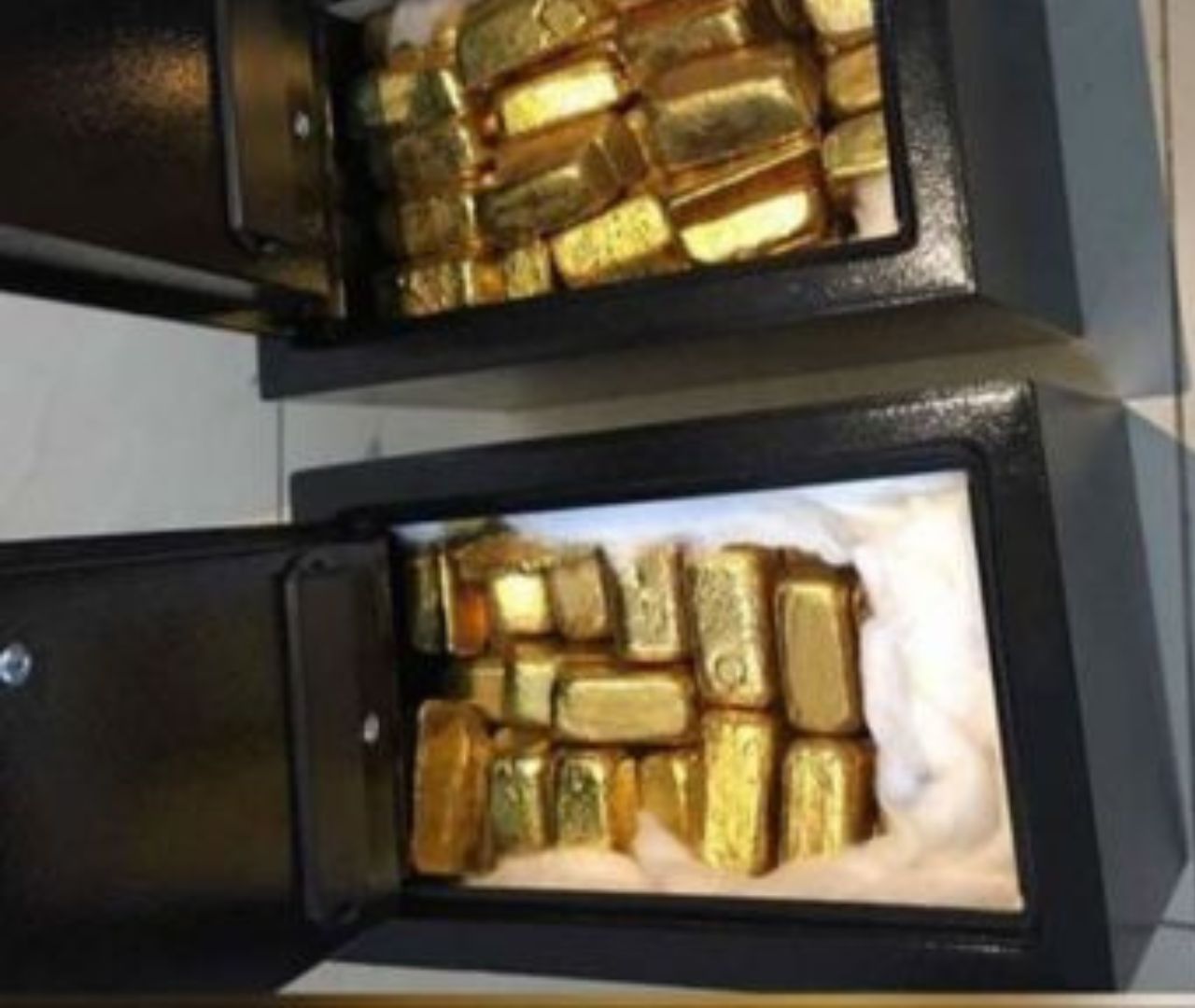
Investors and buyers throughout Africa – including Uganda, Kenya, Congo, Sierra Leone, Rwanda, and Ghana – are seeking certified gold nuggets and bars for good reason. Physical gold serves as both a hedge against inflation and a tangible form of wealth. The desire for African-sourced, fully documented gold products – whether nuggets, bars, bullion, or dust – continues to increase. The driving force is confidence: verified authenticity, legal documentation, and clear origin, which together secure your financial interests and protect you from common pitfalls.
The enduring appeal of physical gold is emboldened by shifts in investor priorities. Many buyers now look for direct relationships with licensed local gold miners, trusted dealers, and fully transparent procedures. This approach aims to eliminate uncertainty and the risks of intermediaries or counterfeit products. From rare crystallized gold specimens to investment-grade 24 karat bars, the core of every transaction is certification – assuring security, easy liquidity, and peace of mind for investors at all levels.
This article is for informational purposes only and not financial, legal, or investment advice. Always consult qualified professionals and independently verify all certifications before making any purchase or investment. Gold markets involve risks such as price volatility and regulatory changes.
African gold stands apart in the global market due to its rich diversity, historical value, and the breadth of products available to both collectors and investors. Direct mine access, traceable sourcing, and certified documentation create new opportunities for buyers ready to participate in Africa’s thriving gold trade.
Certification underpins trust in the gold market. Certified African gold is supported by government laboratory assay reports, official documentation, and export authorization. These safeguards confirm both the physical characteristics of the gold and its legal status in international trade, allowing investors to buy, hold, and resell with greater confidence.
Investors considering African gold must understand the distinctions between gold nuggets and gold bars. Each has unique properties, certification processes, and roles in diversified portfolios.
For a deeper dive into nuggets – their grading, discovery, and market – see our detailed information about gold nuggets.
Those wanting to explore bar sizes, purity standards, and selection specifics should visit our information on different types of gold bars.
Both forms are often tested in government laboratories to provide buyers with independent verification.
| Attribute | Certified Gold Nuggets | Certified Gold Bars |
|---|---|---|
| Purity | 70–95% (verified by assay, varies naturally) | 99.9–99.99% (guaranteed by refiner)** |
| Certification | Assay certificate, origin/provenance document | Assay certificate, serial number, tamper-sealed |
| Liquidity | Highly valued by collectors; resale can be niche | Widely accepted; easily tradable worldwide |
| Testing Ease | Basic magnetic/acid tests; density measurement | Sealed bars offer instant verification |
Certification is critical in ensuring that gold investments are genuine, secure, and compliant with local and international laws. Africa’s legal gold markets have evolved to place emphasis on traceability and documentation for the benefit of buyers and sellers alike.
Exporting or trading uncertified gold can result in seized shipments or unsaleable stock. Certified gold is supported by:
Certified African gold offers compelling advantages in terms of investment security, international recognition, and direct access to ethical sources. Both institutional and individual investors benefit from a market built on trust and documented value.
For details on extraction, regional opportunities, and economic context, see our overview of gold mining in Uganda.
For further insights on gold investment options, including global market perspectives and portfolio strategies, visit our resources.
African gold, especially when certified and traced to ethical sources, continues to be highly valued in both investment and collector markets.
Making a secure and rewarding investment in African gold depends on following well-defined steps. Buying certified gold is straightforward when buyers insist on proper paperwork, testing, and direct relationships with approved dealers.
Engaging with reputable local gold miners and certified dealers, such as those at Gold Nuggets Sales Hub, offers:
Contact us today to verify your gold purchase, discuss available options, or access specialist support on gold buying, storage, and resale.
What does certification mean for African gold nuggets and bars?
Certification is independent, government or laboratory-backed validation of purity, weight, and origin, accompanied by official documents. Certified gold secures your investment and simplifies international transactions.
Differences in purity between nuggets and bars?
Nuggets naturally vary between 70% and 95% purity, while bars refined for investment achieve 99.9% or better. Certification ensures actual purity is clearly stated.
Why are assay certificates essential?
Assay certificates are official proof of gold content, serial number, weight, and origin. They are mandatory for export and highly recommended for all purchases.
Can uncertified gold be traded internationally?
Regulations generally prevent international trade of uncertified gold. Customs authorities and buyers require documentation to clear and accept gold shipments.
How to test gold nuggets at home?
Non-destructive home tests include density testing, acid checks, and magnet tests. For substantial investments, always rely on recognized laboratory assays.
Regulations for exporting gold from African countries?
Each country has specific export requirements. For instance, Uganda mandates 99.9% purity and government certification for gold exports. Always verify requirements with local mining ministries.
How certification affects resale value?
Certified gold holds or increases its premium, as buyers trust documented authenticity and legal provenance. Uncertified gold often sells at a steep discount, if it trades at all.
Can buyers work directly with African gold suppliers?
Absolutely. Reputable suppliers throughout Uganda, Kenya, Congo, Sierra Leone, and Ghana provide direct, legally documented gold sales, eliminating unnecessary broker fees and risk.
What is the role of government laboratory testing?
It verifies authenticity, protects against fraud, and ensures all export and purity standards are met – safeguarding your purchase and investment.
Is certified gold a stable long-term investment?
Gold often serves as a store of value and market hedge, but it is subject to price fluctuations and regulatory changes. Always review documentation and seek professional guidance before investing.
This material is provided for educational purposes and is not intended as financial, investment, or legal advice. Gold investments involve risk, and all buyers are responsible for performing independent verification and consulting professionals before making any investment decision. For specific guidance, support in document review, and access to certified African gold, reach out to the Gold Nuggets Sales Hub team for personalized assistance.
At Gold Nuggets Sales Hub, we have decades of experience in the gold business and we have a reputation for top quality products and service. We provide one of the best shopping experiences on the internet, something we are proud of and which has always been our goal.
Copyright 2024 All Rights Reserved, We also link buyers of gold to the indigenous Uganda/Kenya mines & local Gold traders in various parts of the world. Design & Developed by Themeshopy